
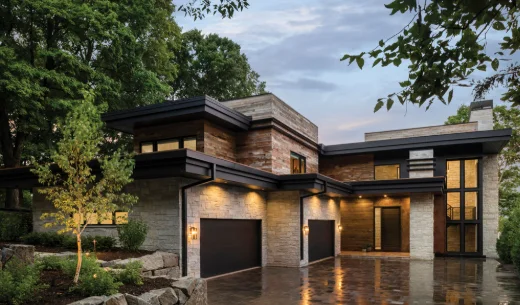
Here is the thing about the friendly person in the model home: they work for the builder.
That is not an accusation. It is a job description, and they are usually very good at it. But the paperwork they hand you was written by the builder’s attorney, for the builder’s benefit, and there is nobody at that table whose job is to read it on your side unless you bring them.
You can bring an agent. It costs you nothing extra in most cases, and the builder expects it. But you generally have to bring them on your first visit, because many builders will not register an agent retroactively. Walking in alone, signing in alone, and calling someone afterward is the single most common way buyers give up representation without meaning to.
The contract is not the same document you are used to
A resale purchase in Utah runs on a standard state-approved form. Both sides know what is in it because both sides have seen it a hundred times.
A builder contract is the builder’s own document. It is longer, and the parts that differ from what you would expect are the parts worth slowing down on.
Completion dates. Read what the date actually promises. Builder contracts frequently allow the schedule to move for weather, supply, and inspection delays, and the remedy for a long delay may be much thinner than you assume. If you are selling a home to buy this one, the gap between “estimated completion” and “the day you must be out of your current house” is your problem to solve, not the builder’s.
The earnest money and the deposit. Understand exactly which parts are refundable, under what conditions, and at what point they stop being refundable. Design center selections in particular tend to become non-refundable early, because the builder has already ordered the materials.
Change orders. Find out what a change costs after a given stage, and which stage that is. The gap between what a change costs in the design center and what the same change costs after framing is large.
The warranty. New construction comes with one, and it is usually tiered — a short period covering everything, a longer period covering systems, a long period covering structure. Know which tier covers what, and know the process for making a claim before you need it.
Financing. Builders often offer an incentive for using their preferred lender. Sometimes that incentive is genuinely good. Get a competing quote anyway, and compare the whole cost of the loan rather than the headline rate, because an incentive is only an incentive if the loan underneath it is competitive.
The lot matters more than the finishes
Buyers spend hours on countertops and about ninety seconds on the plat.
The finishes are the part you can change later. The lot is the part you cannot. Before you commit, find out what is going next to you, what is going behind you, and what the empty ground across the street is zoned for. Ask where the retention basin goes. Ask which direction the driveway faces, because in a Utah winter a north-facing driveway holds ice long after the neighbors are dry.
Ask about the HOA, and ask to read the CC&Rs rather than the summary. Ask whether the community is still under builder control, and what happens when it transitions.
None of this is exotic. It is just easier to ask before there is a house on the lot.
Get your own inspection anyway
New construction has been inspected by the municipality. That inspection confirms the house meets code. It is not the same thing as an inspection that works for you, and a brand-new house is not a defect-free house — the trades worked fast, and things get missed.
An independent inspection before closing, and again before the end of the first warranty period, is worth what it costs.
What I actually do on these
I register with the builder on your first visit so your representation is protected. I read the contract and tell you which clauses are standard and which ones I would push on. I go with you to the design center and tell you which upgrades tend to come back at resale and which ones do not. And I walk the house at the pre-drywall and final stages with a list.
If you are looking at new construction anywhere in Layton, Kaysville, or the rest of Davis County, that is the new construction side of what I do. If you are still deciding between building and buying resale, start with buying a home.
Call me at (801) 906-3657 before your first model home visit, not after. That timing is the whole difference.